
Top 5 Website Designing Companies in Delhi

In a busy metropolis like Delhi, where digital presence is crucial for businesses of all sizes, the choice of a website designing company can significantly impact an organization’s online success. This article highlights the top 5 website designing companies in Delhi, namely CSS Founder, Design Rush, Art Attackk, Future Gen Apps, and Web Hopers. Each company brings its unique strengths and offerings, serving a diverse range of clients from startups to established enterprises. Introduction to Website Designing in Delhi Delhi, as the capital city of India, hosts a vibrant tech industry with numerous companies specializing in web design and development. Choosing the right partner for creating or revamping a website is essential for businesses aiming to establish a strong online presence. This article delves into the capabilities, portfolios, and client reviews of the top 5 website designing companies in Delhi, providing valuable insights for businesses and individuals seeking professional web services. CSS Founder Company Overview CSS Founder is renowned for its innovative approach to website design in Delhi. Established with a commitment to delivering cutting-edge digital solutions, CSS Founder has carved a niche for itself in the competitive web design industry. The company boasts a talented team of designers and developers who are adept at creating visually stunning and functional websites tailored to meet clients’ specific needs. Services Offered CSS Founder offers a comprehensive suite of services, including: Custom Website Design: Crafting bespoke websites that reflect clients’ unique brand identities. E-commerce Solutions: Developing robust online stores with seamless payment integration. SEO Optimization: Enhancing website visibility and search engine rankings through strategic SEO techniques. Mobile App Development: Creating intuitive mobile applications for enhanced user engagement. Digital Marketing: Implementing targeted campaigns to drive traffic and increase conversions. Portfolio Highlights CSS Founder has successfully executed projects across various industries, from hospitality and healthcare to e-commerce and education. Their portfolio showcases a diverse range of visually appealing websites and user-friendly interfaces that have helped clients achieve their business goals effectively. Client Feedback Clients appreciate CSS Founder’s professionalism, creativity, and attention to detail. Positive testimonials highlight the company’s ability to deliver projects on time and within budget while exceeding expectations in terms of design quality and functionality. Design Rush Company Overview Design Rush is another prominent player in Delhi’s web design landscape, known for its collaborative approach and client-centric solutions. The company prides itself on understanding clients’ business objectives and translating them into compelling digital experiences that resonate with target audiences. Services Offered Design Rush offers the following services to cater to diverse client needs: UI/UX Design: Creating intuitive and aesthetically pleasing interfaces for optimal user experience. Responsive Web Design: Developing websites that seamlessly adapt to various devices and screen sizes. Content Management Systems (CMS): Implementing user-friendly CMS platforms for easy website management. Graphic Design: Producing captivating visuals and graphics that enhance brand identity. Digital Strategy Consulting: Providing expert guidance on digital marketing strategies to maximize online presence. Portfolio Highlights Design Rush’s portfolio showcases its expertise in delivering visually striking websites that combine creativity with functionality. Each project reflects meticulous attention to detail and a deep understanding of industry trends and user behaviors. Client Feedback Clients commend Design Rush for its professionalism, reliability, and ability to deliver projects that align with their vision. The company’s collaborative approach and transparent communication have earned it a reputation as a trusted partner in the digital space. Art Attackk Company Overview Art Attackk stands out for its avant-garde approach to website design, blending artistry with technical prowess. Based in Delhi, Art Attackk caters to clients seeking distinctive digital solutions that make a lasting impression. Services Offered Art Attackk offers specialized services tailored to creative industries and beyond: Artistic Web Design: Infusing websites with creative elements and unique visual narratives. Brand Identity Development: Creating cohesive brand identities that resonate with target audiences. Interactive Experiences: Designing interactive features and animations to enhance user engagement. Print Design: Crafting visually appealing print materials that complement digital strategies. Photography and Videography: Providing visual content creation services to enrich online presence. Portfolio Highlights Art Attackk’s portfolio reflects its passion for creativity and innovation. Each project showcases the company’s ability to transform ideas into captivating digital experiences that captivate and inspire. Client Feedback Clients praise Art Attackk for its artistic flair, attention to detail, and ability to translate complex concepts into visually stunning websites. The company’s collaborative approach and dedication to excellence have earned it a loyal client base across various industries. Future Gen Apps Company Overview Future Gen Apps is a leading provider of comprehensive digital solutions, including website design, app development, and digital marketing services. Based in Delhi, the company leverages cutting-edge technologies to deliver scalable and impactful solutions to clients worldwide. Services Offered Future Gen Apps offers a wide range of services to meet the evolving needs of businesses: Custom Web Development: Building tailored websites with advanced functionalities and integrations. Mobile App Solutions: Developing native and hybrid mobile applications for iOS and Android platforms. E-commerce Development: Creating robust online stores with secure payment gateways and inventory management. SEO and SEM Services: Optimizing websites for search engines and implementing targeted digital marketing campaigns. Blockchain Development: Exploring blockchain technology for secure transactions and decentralized applications. Portfolio Highlights Future Gen Apps has a diverse portfolio that showcases its expertise across industries such as finance, retail, healthcare, and more. Each project demonstrates the company’s commitment to innovation, quality, and client satisfaction. Client Feedback Clients appreciate Future Gen Apps for its technical proficiency, proactive approach, and ability to deliver scalable solutions that align with business objectives. The company’s commitment to excellence and continuous innovation has established it as a trusted partner in the digital landscape. Web Hopers Company Overview Web Hopers is a dynamic web design and digital marketing agency in Delhi, known for its holistic approach to online solutions. With a focus on delivering measurable results, Web Hopers combines creativity with data-driven strategies to help clients achieve their digital marketing goals. Services Offered Web Hopers offers a comprehensive range of services designed to maximize online visibility
Boost Conversion Rates with These 7 CTA Best Practices

Creating effective call-to-action (CTA) buttons is a crucial aspect of web and app design, as they play a pivotal role in guiding users towards desired actions and driving conversions. However, designing CTAs that not only entice users to take action but also provide an inclusive and accessible experience for all can be a complex task. In this article, we’ll delve into how to boost conversion rates with these CTA best practices that strike the perfect balance between user experience, accessibility, and business goals. Contrast and Visibility Ensuring that your CTA buttons are highly visible and easily distinguishable is paramount for both user experience and accessibility. Utilize contrasting colors that make the CTA stand out from the surrounding elements on the page. A general rule of thumb is to maintain a minimum contrast ratio of 4.5:1 for normal text and 3:1 for larger text, as recommended by the Web Content Accessibility Guidelines (WCAG). Additionally, consider the color combinations you use, as certain types of color blindness, such as deuteranopia (green blindness) or protanopia (red blindness), can make it difficult to differentiate between specific shades. Conduct color blindness testing or use online tools to ensure your CTAs are visible to users with varying degrees of color vision deficiency. Clear and Concise Labeling The text on your CTA buttons should be clear, concise, and unambiguous, leaving no room for confusion or misinterpretation. Avoid using vague or confusing language that may leave users uncertain about the action they’re taking. Instead, use action-oriented language that explicitly conveys the purpose of the button, such as “Buy Now,” “Sign Up,” or “Download.” Additionally, consider the context in which the CTA appears and tailor the language accordingly. For example, a CTA on a pricing page may be more effective with a label like “Subscribe Now” or “Get Started,” while a CTA on a product page might be better suited with “Add to Cart” or “Buy Now.” Appropriate Size and Spacing CTA buttons should be large enough to be easily tapped or clicked, especially on mobile devices where users may be interacting with smaller screens and relying on touch input. Consider the size of the user’s fingers or assistive devices, such as styluses or mouth sticks, when determining the appropriate button size. Generally, a minimum button size of 44×44 pixels is recommended for touch targets on mobile devices. Additionally, ensure that there is sufficient spacing around the CTA to prevent accidental clicks or taps on adjacent elements. Maintain a comfortable padding around the button, and consider increasing the spacing for users with motor disabilities or those using assistive devices that may have difficulty with precise targeting. Logical Placement The placement of your CTA buttons can significantly impact the user experience and accessibility. Position CTAs in a logical and predictable manner, following the natural flow of the content and adhering to established design patterns. For example, primary CTAs should be placed in a prominent location, such as at the end of a product description or after a form submission. Additionally, ensure that CTAs are easily discoverable and not obscured by other elements on the page. Avoid placing important CTAs below the fold or in areas that may be easily missed by users, especially those who rely on assistive technologies like screen readers. Keyboard Accessibility Not all users rely on a mouse or touchscreen to navigate websites and apps. To cater to users with motor disabilities or those who prefer keyboard navigation, ensure that your CTA buttons are fully accessible via the keyboard. This means implementing proper focus management, allowing users to tab through interactive elements and activate CTAs with the Enter or Space key. Additionally, provide clear visual cues to indicate the currently focused element, such as an outline or a change in background color. This will help users with visual impairments or cognitive disabilities to easily identify the active element on the page. Alternative Text and Labels For users with visual impairments who rely on screen readers or other assistive technologies, providing alternative text and labels for your CTA buttons is essential. These descriptions should accurately convey the purpose and functionality of the button, allowing users to understand and interact with the CTA effectively. When crafting alternative text, be concise yet descriptive, and avoid redundant or irrelevant information. For example, instead of “Click the ‘Buy Now’ button,” use a more direct description like “Buy product now.” Additionally, ensure that the alternative text is consistently applied across all instances of the CTA on your website or app. User Testing and Feedback Continuously seek feedback from a diverse range of users, including those with disabilities, to ensure that your CTAs are meeting their needs and providing an optimal user experience. Conduct user testing sessions, gather analytics data, and actively listen to user feedback to identify areas for improvement and refine your CTA design and implementation. User testing can involve a variety of methods, such as usability studies, surveys, or interviews, and should include participants with varying abilities and assistive technology needs. Pay close attention to any issues or pain points reported by users, and prioritize addressing these concerns in your design iterations. By incorporating these best practices into your CTA design and implementation, you can create a more inclusive and accessible user experience for all users, regardless of their abilities or disabilities. Remember, accessibility is not just a legal requirement but also a moral obligation and a competitive advantage, as it allows you to reach a broader audience and provide a better overall experience for everyone.
Leveraging Online Reviews to Enhance Your Website Design

In today’s digital age, online reviews have become a powerful tool for businesses to gauge customer satisfaction and make informed decisions. When it comes to web design, these reviews can offer invaluable insights into what users truly want and need from a website. By effectively utilizing online reviews, web designers can create user-centric experiences that resonate with their target audience and drive success for their clients. In this blog, we shall discuss about some crucial factors to leverage online reviews to enhance your website design Identify Pain Points and User Frustrations Online reviews offer a candid glimpse into the challenges and frustrations users encounter when navigating websites. By carefully analysing these reviews, web designers can pinpoint recurring themes and address critical issues that may be hindering user engagement and satisfaction. For instance, if multiple reviews cite difficulties in locating specific information or products on a website, it could indicate a need for improved site architecture, streamlined navigation menus, or enhanced search functionality. Addressing these concerns can lead to a more intuitive and user-friendly design, minimizing frustration and enhancing the overall browsing experience. Understand User Preferences and Expectations Beyond identifying pain points, online reviews can provide invaluable insights into user preferences and expectations regarding website design and functionality. Users may express their appreciation for specific design elements, such as clean and modern layouts, visually appealing color schemes, or intuitive user interfaces that prioritize simplicity and ease of use. By carefully studying these preferences, web designers can align their design choices with the desires of their target audience, creating websites that not only captivate visually but also deliver a seamless and enjoyable user experience. This level of attention to user preferences can foster increased engagement, loyalty, and ultimately, business success for their clients. Identify Opportunities for Innovation While addressing pain points and meeting user expectations are crucial, online reviews can also reveal opportunities for innovation and differentiation within the competitive landscape. Users may suggest unique features, functionality, or design elements that could set a website apart from its competitors and enhance the overall user experience. Web designers should embrace an open-minded approach and actively explore ways to incorporate these innovative ideas into their designs. This could involve integrating cutting-edge technologies, implementing creative and immersive user experiences, or exploring new design trends that resonate with the target audience. Monitor Competitor Reviews In addition to analyzing reviews for their own clients, web designers can gain valuable insights by monitoring reviews for competing websites or businesses within the same industry. This competitive analysis can reveal strengths and weaknesses in competitor designs, allowing web designers to identify areas where they can differentiate their offerings and provide superior user experiences. By closely studying the successes and shortcomings of their competitors, web designers can gain a strategic advantage and position themselves as industry leaders in delivering exceptional digital experiences tailored to their target audience. Encourage and Respond to Reviews While leveraging existing online reviews is beneficial, web designers should also actively encourage their clients’ customers to leave reviews. This can be achieved through various strategies, such as email campaigns, on-site prompts, or incentives for providing feedback. Additionally, it is crucial for web designers to respond to reviews, both positive and negative, in a professional and constructive manner. Thanking customers for positive feedback and addressing negative reviews with empathy and a commitment to improvement can demonstrate a customer-centric approach and foster trust and loyalty among users. Continuously Adapt and Improve Web design is an ever-evolving field, and user expectations and preferences are constantly shifting. As such, web designers must embrace a mindset of continuous adaptation and improvement. By regularly monitoring and analyzing online reviews, they can stay attuned to emerging trends, changing user needs, and potential areas for enhancement. This proactive approach not only ensures that web designs remain relevant and appealing but also demonstrates a commitment to delivering exceptional user experiences that keep pace with the rapidly changing digital landscape. Conclusion In the quest for creating remarkable web designs, online reviews serve as a powerful resource that should not be overlooked. By effectively leveraging these user-generated insights, web designers can identify pain points, understand user preferences, explore opportunities for innovation, monitor competitors, and foster a culture of continuous improvement. Embracing online reviews as a valuable source of information empowers web designers to create websites that not only captivate users visually but also provide seamless, intuitive, and highly engaging experiences. This user-centric approach solidifies their position as industry leaders in web design, delivering exceptional digital solutions that drive success for their clients and delight their target audience.
12 Must-Have Website Design Requirements Checklist for Creating a Stunning Online Presence
In the modern digital age, having a well-designed and functional website is essential for businesses of all sizes. Your website serves as a virtual storefront, a hub for information, and a platform for engaging with your target audience. However, creating an effective website requires careful planning and a comprehensive understanding of design requirements. To ensure your website meets your business objectives and provides an exceptional user experience, it’s crucial to have a detailed checklist of essential elements. In this blog , we shall discuss about website design requirement checklist for stunning online presence. Define Your Goals and Target Audience Before embarking on the website design journey, clearly define your goals and target audience. Are you aiming to generate leads, drive sales, establish an online presence, or a combination of these objectives? Understanding your goals will shape the overall design, functionality, and content strategy of your website. Additionally, identifying your target audience’s demographics, interests, and behaviors will enable you to tailor the website’s user experience accordingly. Conduct Competitor Analysis Researching your competitors’ websites can provide valuable insights into industry best practices, design trends, and potential areas for differentiation. Analyze what works well and what could be improved upon, as this information can inform your own design decisions and help you create a unique and compelling online presence. User Experience (UX) and Navigation A well-structured navigation system, intuitive layouts, and easy-to-use interfaces can significantly improve the overall user experience and increase engagement. Consider implementing features such as search functionality, breadcrumb trails, and clear calls-to-action to enhance usability and guide visitors through your website seamlessly. Responsive and Mobile-Friendly Design With the increasing use of mobile devices for internet browsing, it’s essential to ensure that your website is responsive and mobile-friendly. A responsive design automatically adjusts the layout and content to fit different screen sizes, providing a seamless and optimized experience across desktops, tablets, and smartphones. Content Strategy and Organization Content is the cornerstone of an effective website design. Organize your content in a logical and user-friendly manner, using clear headings, subheadings, and concise language. Additionally, incorporate multimedia elements such as images, videos, and infographics to enhance engagement and reinforce key messages. Search Engine Optimization (SEO) Optimize website according to latest google guidelines. Conduct keyword research, implement on-page optimization techniques (such as meta tags, alt text, and heading tags), and ensure that your website’s structure and content are search engine-friendly. Branding and Visual Identity Your website should be a visual representation of your brand. Incorporate your company’s color scheme, logo, and design elements consistently throughout the site. This consistency will reinforce brand recognition and create a cohesive user experience, enhancing brand loyalty and trust. Accessibility and Inclusivity Design your website with accessibility in mind to ensure that users with disabilities can effectively navigate and consume your content. Follow accessibility guidelines, such as providing alt text for images, ensuring proper color contrast, and enabling keyboard navigation. By prioritizing accessibility, you not only create an inclusive experience but also expand your potential audience. Security and Privacy Implement robust security measures to protect your website and users’ data from cyber threats. This includes securing your website with an SSL certificate, implementing secure payment gateways (if applicable), and adhering to data privacy regulations such as GDPR and CCPA. Building trust with your users through robust security and privacy measures is essential for long-term success. Analytics and Tracking Integrating analytics tools into your website will allow you to track user behaviour, measure website performance, and gather valuable insights. Use this data to continuously optimize your website and make informed decisions about design and content improvements, ensuring that your website remains relevant and effective. Maintenance and Updates Websites are not static entities; they require regular maintenance and updates to ensure optimal performance, security, and relevance. Plan for regular content updates, security patches, and software upgrades to keep your website in top shape and provide a seamless user experience. Testing and Quality Assurance Before launching your website, it’s essential to conduct thorough testing and quality assurance checks. Test your website across different browsers, devices to ensure consistent performance. Additionally, perform user testing to identify any usability issues and gather feedback for further improvements. By following this comprehensive website design requirements checklist, you’ll be well-equipped to create a website that not only looks visually appealing but also delivers an exceptional user experience, drives conversions, and supports your business goals. Remember, website design is an ongoing process that requires continuous evaluation and adaptation to stay ahead of the curve and meet the evolving needs of your target audience.
8 Typography Secrets for Stunning Website Design
Typography is a fundamental aspect of web design that can greatly influence user engagement, readability, and the overall aesthetic appeal of a website. Effective typography not only enhances the visual experience but also plays a crucial role in conveying the intended message and establishing a strong brand identity. In this article, we will explore eight essential tips for mastering typography in web design. Prioritize Legibility The primary goal of typography in web design is to ensure that the text is easily readable. When selecting fonts, prioritize legibility over decorative appeal. Choose fonts that are clear, well-spaced, and have distinct letterforms. Sans-serif fonts like Arial, Verdana, or Open Sans are often preferred for body text due to their simplicity and readability on screens. Reserve more ornate or stylized fonts for headings or accents, but use them sparingly to maintain overall legibility. Establish a Type Hierarchy Creating a clear typographic hierarchy helps guide users through your content and emphasizes important information. Use different font sizes, weights, and styles to establish a visual hierarchy. Typically, headings should be larger and bolder than subheadings, which in turn should be more prominent than body text. Consistency in your type hierarchy throughout the website creates a cohesive and organized look, making it easier for users to navigate and understand the structure of your content. Choose Complementary Fonts When combining multiple fonts, it’s essential to select fonts that complement each other. A common approach is to pair a serif font with a sans-serif font, creating contrast and visual interest. However, be cautious not to use too many different fonts, as it can make your design appear cluttered and unprofessional. Stick to a maximum of two or three font families and use variations within those families (such as different weights or styles) to add variety without overwhelming the design. Consider Readability Factors In addition to font selection, several other factors impact readability. Body text should be large enough to be easily readable on various devices, typically between 16px and 18px. Adequate line spacing (around 1.5 times the font size) improves readability by providing visual breathing room between lines. Avoid overly long line lengths, as they can strain the eyes; aim for around 50 to 75 characters per line for optimal readability. Leverage Whitespace Whitespace, or negative space, plays a vital role in typography and overall web design. It refers to the empty spaces around and between elements. Proper use of whitespace enhances readability, creates visual balance, and directs users’ attention to important content. Incorporate ample margins and padding around text blocks to prevent a cramped and overwhelming appearance. Use whitespace strategically to group related elements and create a sense of hierarchy and visual rhythm. Pay Attention to Alignment Text alignment can significantly impact the readability and visual appeal of your typography. For body text, left alignment is generally the most readable option, as it provides a consistent left edge for the eye to follow. Justified alignment, where text is aligned on both the left and right sides, can create uneven spacing and awkward gaps, making it harder to read. Use center alignment sparingly, mainly for short headings or callouts, as it can be challenging to read for longer passages. Optimize for Responsiveness With the proliferation of mobile devices, it’s crucial to ensure that your typography adapts well to different screen sizes. Implement responsive typography techniques to maintain readability and visual hierarchy across various devices. Use relative units (such as em or rem) for font sizes, allowing them to scale proportionally based on the screen size. Define appropriate font sizes and line lengths for different breakpoints using CSS media queries. Test your typography on multiple devices to ensure a consistent and optimal reading experience. Experiment and Iterate Typography in web design is an iterative process. Don’t be afraid to experiment with different font combinations, sizes, and styles to find what works best for your website. However, always prioritize readability and legibility over purely aesthetic considerations. Conduct user testing and gather feedback to gauge the effectiveness of your typography choices. Continuously refine and optimize your typography based on user feedback and performance metrics to strike the right balance between visual appeal and functionality. By following these eight tips for typography in web design, you can create visually engaging, readable, and effective content. Remember, typography is not merely about aesthetics; it’s a powerful tool for communication and user experience. By carefully selecting fonts, establishing a clear hierarchy, considering readability factors, and optimizing for responsiveness, you can elevate your web design and create a lasting impact on your audience.
How to Elevate Your Online Store with Ecommerce Website Design
In today’s digital age, having a well-designed ecommerce website is crucial for the success of any online business. A visually appealing, user-friendly, and responsive website can help attract and retain customers, increase sales, and ultimately grow your business. In this guide, we’ll explore the key elements and best practices to elevate online store with ecommerce website design. Prioritize User Experience (UX) User experience should be at the forefront of your ecommerce website design. A seamless and intuitive navigation system is essential to help users find what they’re looking for quickly and easily. Ensure that your website’s structure is logically organized, with clear categories and subcategories. Use prominent calls-to-action (CTAs) to guide users through the purchasing process and make it easy for them to add items to their cart and complete the checkout process. Responsive and Mobile-Friendly Design With the increasing use of mobile devices for online shopping, it’s crucial to have a responsive website that adapts to various screen sizes and devices. A mobile-friendly design ensures that your website is accessible and easy to navigate on smartphones and tablets. Implement a responsive layout, large buttons, and simplified forms to enhance the mobile shopping experience and reduce the risk of cart abandonment. High-Quality Product Images and Descriptions In the world of ecommerce, product images and descriptions play a vital role in influencing a customer’s purchasing decision. Invest in high-quality, professional product photography that showcases your products from multiple angles and allows users to zoom in for details. Accompany the images with clear, concise, and persuasive product descriptions that highlight the key features, benefits, and specifications of each item. Fast Loading Speed A slow-loading website will irritate visitors, which eventually produces higher bounce rates. Optimize your website’s performance by minimizing file sizes, compressing large images size, and leveraging browser caching. Consider using a content delivery network (CDN) to distribute your website’s content across multiple servers, reducing latency and improving loading times for users worldwide. Prominent Search Functionality Make it easy for users to find specific products by incorporating a prominent search bar on your website. Implement advanced search features like autocomplete, product suggestions, and filters to help users narrow down their options based on criteria such as price range, color, size, or brand. A well-designed search functionality can significantly enhance the user experience and increase the likelihood of conversions. Customer Reviews and Ratings Social proof is a powerful tool in ecommerce. Integrate customer reviews and ratings on your product pages to build trust and credibility with potential buyers. Encourage customers to leave reviews by sending follow-up emails after their purchase and make it easy for them to submit their feedback. Displaying genuine customer reviews can help alleviate any doubts or concerns and encourage others to make a purchase. Secure and Trustworthy Checkout Process A secure and trustworthy checkout process is essential to building customer confidence and reducing cart abandonment. Implement SSL encryption to protect sensitive customer information and prominently display trust badges and security certifications. Offer multiple payment options, including credit cards, PayPal, and other popular payment gateways, to cater to different customer preferences. Be transparent about shipping costs, taxes, and estimated delivery times to avoid surprises during checkout. Personalization and Product Recommendations Personalization can greatly help to boost the user experience and enhances customer engagement ratio. Implement personalized product recommendations based on a user’s browsing history, previous purchases, or similar customer behavior. Use targeted email campaigns and retargeting ads to showcase relevant products and offers to individual users. Personalization can help create a more tailored and enjoyable shopping experience, leading to higher conversion rates and customer loyalty. Clear and Accessible Customer Support Provide easily accessible customer support options to address any queries or concerns that users may have. Include a prominent “Contact Us” page with various contact methods, such as email, phone, live chat, or a ticketing system. Consider implementing a FAQ section or knowledge base to address common questions and provide self-help resources. Responsive and helpful customer support can greatly enhance customer satisfaction and encourage repeat business. Continuous Testing and Optimization Ecommerce website design is an ongoing process that requires continuous testing and optimization. Regularly analyze user behavior and conversion rates using tools like Google Analytics to identify areas for improvement. Conduct A/B testing to experiment with different design elements, layouts, or content variations to determine what resonates best with your target audience. Continuously iterate and refine your website based on data-driven insights to optimize the user experience and maximize conversions. In conclusion, creating a best-in-class ecommerce website design requires a holistic approach that prioritizes user experience, responsiveness, product presentation, security, personalization, and continuous optimization. By following these guidelines and best practices, you can create an engaging and effective online store that drives sales, builds customer loyalty, and sets your business up for long-term success in the competitive world of ecommerce.
Boost Your Brand with These 7 Must-Have Elements in Website Design
Website design plays crucial role for businesses which further helps to elevate there brand . It is often the first point of contact between a business and its potential customers, making it crucial to create a website that not only attracts visitors but also keeps them engaged. To achieve this, there are seven essential elements that every website design should incorporate. In this article, we shall discuss about how to Boost Your Brand with These 7 Must-Have Elements in Website Design Responsive Design: Adapting to Every Screen With the proliferation of mobile devices, it is essential to ensure that your website adapts seamlessly to different screen sizes and resolutions. Responsive design involves using flexible layouts, images, and CSS media queries to create a website that automatically adjusts its layout and content to provide an optimal viewing experience across desktops, laptops, tablets, and smartphones. By implementing responsive design, you can improve user engagement, as visitors can easily navigate and consume your content regardless of the device they are using. Additionally, responsive design can help reduce bounce rates, as users are more likely to stay on a website that is easy to read and interact with on their preferred device. Clear and Intuitive Navigation: Guiding Users Through Your Website Navigation is the backbone of any website, serving as a roadmap for users to explore your content and find the information they need. A clear and intuitive navigation structure is essential for providing a seamless user experience and encouraging visitors to delve deeper into your website. When designing your navigation menu, ensure that it is prominently placed, typically at the top or side of the page, and remains consistent throughout the website. Use descriptive and concise labels for menu items, making it easy for users to understand what each section contains. Consider organizing your navigation menu hierarchically, with main categories and subcategories, to help users quickly locate the desired content. In addition to a well-structured navigation menu, implementing a search function can greatly enhance the user experience. A search bar allows visitors to quickly find specific information without having to navigate through multiple pages. Ensure that the search function is easily accessible and returns relevant and accurate results. Compelling Visual Content: Capturing Attention and Conveying Messages Visuals play a crucial role in capturing attention, engaging users, and communicating messages effectively. Incorporating high-quality images, videos, and graphics into your website design can greatly enhance the overall user experience and help establish a strong brand identity. When selecting visual content, ensure that it aligns with your brand’s aesthetic and complements the overall design of your website. Use images and videos to break up large blocks of text, illustrate key points, and create an emotional connection with your audience. High-quality visuals can also help convey complex ideas or processes more effectively than text alone. However, it is important to strike a balance between visual appeal and page load speed. Large image files and videos can significantly slow down your website, leading to a poor user experience and increased bounce rates. Optimize your visual content by compressing images, using appropriate file formats, and considering lazy loading techniques to ensure a smooth browsing experience. Engaging and Informative Content: Providing Value to Your Audience Content is the heart of any website, and its quality and relevance directly impact user engagement and conversions. Your website should offer valuable, informative, and up-to-date content that addresses the needs and interests of your target audience. Ensure that your content is free of grammatical and spelling errors, as poor-quality content can undermine your credibility and professionalism. To keep your website fresh and engaging, regularly update it with new content, such as blog posts, articles, case studies, or news updates. This not only provides value to your visitors but also helps improve your website’s search engine rankings, as search algorithms favor websites with fresh and relevant content. Calls to Action (CTAs): Guiding Users Towards Desired Actions Calls to action (CTAs) are essential elements in website design that guide users towards taking desired actions, such as making a purchase, filling out a contact form, or subscribing to a newsletter. Well-designed CTAs can significantly increase conversion rates and help achieve your website’s goals. When incorporating CTAs into your website design, ensure that they are prominently placed and easily noticeable. Use action-oriented language that clearly communicates the benefits of taking the desired action, such as “Sign Up for Exclusive Offers” or “Download Your Free Guide Now.” Make sure your CTAs stand out visually by using contrasting colors, bold typography, or eye-catching design elements. Consider placing CTAs strategically throughout your website, such as above the fold on the homepage, at the end of blog posts, or within product or service pages. However, avoid overusing CTAs, as too many can overwhelm users and lead to decision paralysis. Mobile-Friendly Features: Optimizing for the visitors In addition to responsive design, incorporating mobile-friendly features can greatly enhance the user experience for visitors accessing your website on mobile devices. With the increasing use of smartphones and tablets for browsing the web, it is crucial to ensure that your website is optimized for mobile users. One key aspect of mobile-friendliness is page load speed. Mobile users expect websites to load quickly, and slow loading times can lead to high bounce rates and a poor user experience. Optimize your website for mobile by compressing images, minimizing HTTP requests, and leveraging browser caching to reduce load times. Additionally, ensure that your website’s navigation menu is easy to use on mobile devices, with clear and concise labels and a responsive design that adapts to different screen sizes. Accessibility: Provision for a Diverse Audience Creating an accessible and inclusive website is not only a legal requirement in many jurisdictions but also a best practice for providing a positive user experience for all visitors. Web accessibility involves designing and developing websites that can be used by individuals with disabilities, including those with visual, auditory, motor, or cognitive impairments. In addition to accessibility, consider the diverse needs of
Mastering Mobile Website Design: Top 10 Tips You Need to Know
In the ever-evolving digital landscape, mobile devices have become the primary means of accessing the internet for countless users worldwide. As a result, creating a mobile-friendly website is no longer an option – it’s an absolute necessity. A well-designed mobile website can significantly enhance user experience, increase engagement, and ultimately drive business growth. In this article, we’ll explore 10 essential tips to master mobile website design Embrace Responsive Design Responsive design is the cornerstone of mobile-friendly websites. It ensures that your website automatically adjusts its layout, content, and functionality to provide an optimal viewing experience across various devices and screen sizes. By implementing responsive design, you eliminate the need for separate mobile and desktop versions, streamlining maintenance and ensuring consistency across platforms. Prioritize User Experience When designing for mobile, user experience should be your top priority. Mobile users typically have shorter attention spans and are often on-the-go, making it crucial to provide a seamless and intuitive experience. Simplify navigation, minimize clutter, and make essential information and actions easily accessible with a few taps or swipes. Optimize for Speed Slow-loading websites are a major deterrent for mobile users, often leading to high bounce rates and lost opportunities. Optimize your website’s speed by compressing images, minifying code, leveraging browser caching, and implementing lazy loading techniques. Additionally, consider using accelerated mobile pages (AMP) or progressive web apps (PWAs) to deliver lightning-fast experiences. Enhance Readability Small screens and varying viewing conditions can make it challenging to read content on mobile devices. Improve readability by using a legible font size, increasing line spacing, and ensuring sufficient contrast between text and background colors. Break up lengthy blocks of text into shorter, more digestible sections, and leverage headings and subheadings to aid content scanning. Simplify Forms Filling out forms on mobile devices can be a frustrating experience due to smaller screen sizes and limited input methods. Streamline the form-filling process by reducing the number of required fields, using appropriate input types (such as number pads for numeric inputs), and providing clear labels and instructions. Consider implementing auto-fill or auto-advance features to further enhance the user experience. Leverage Mobile Gestures Mobile users are accustomed to interacting with content through touch gestures, such as tapping, swiping, and pinching. Design your website with touch-friendly elements, ensuring that interactive components are large enough for easy tapping and that navigation menus and content sections respond seamlessly to swipe gestures. Optimize for Thumbs Most mobile users hold their devices with one hand and interact with the screen using their thumbs. Position primary navigation and interactive elements within the “thumb zone” – the area easily accessible by the user’s thumb – to promote comfortable and effortless interaction. Incorporate Mobile Features Take advantage of mobile-specific features to enhance the user experience. Integrate click-to-call functionality for phone numbers, provide access to the user’s current location for location-based services, and leverage camera and microphone access for seamless multimedia integration. Implement Responsive Images and Media Ensure that images, videos, and other multimedia content on your website adapt seamlessly to different screen sizes and resolutions. Use responsive techniques, such as fluid layouts and scalable vector graphics (SVGs), to maintain visual quality and prevent distortion or excessive data usage. Test, Test, and Test Again Testing is crucial to ensuring a flawless mobile experience. Use a variety of mobile devices and emulators to test your website across different screen sizes, operating systems, and browsers. Additionally, conduct usability testing with real users to identify potential issues, gather feedback, and continuously refine your design. By implementing these 10 tips, you’ll be well on your way to creating a mobile website that not only looks great but also provides an exceptional user experience. Remember, in the mobile-centric world we live in, a well-designed mobile website can be a powerful competitive advantage, driving increased engagement, conversions, and overall business success.
Elevate Your Brand With Expert Website Designing Process
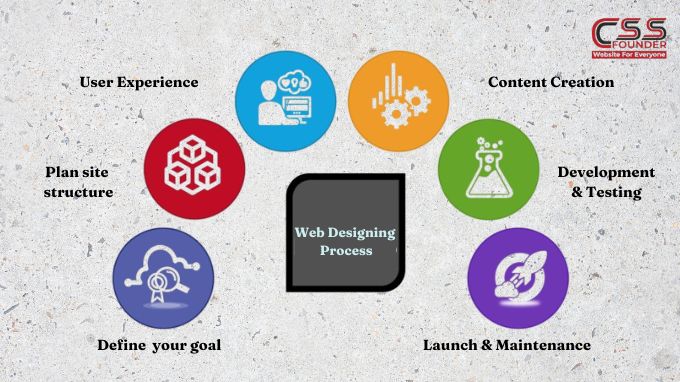
Elevate Your Brand With Expert Website Designing Process Building a website is a multi-faceted process that requires careful planning, creative vision, and technical expertise. Whether you’re creating a simple brochure site or a complex e-commerce platform, following a structured website design process can help ensure a successful outcome. In this article, we’ll walk through how to elevate your brand with expert website designing process Define Your Goals and Target Audience Before you begin the design phase, it’s crucial to have a clear understanding of your website’s objectives and the audience you’re trying to reach. Are you building an online portfolio, an e-commerce store, or an informational resource? Identifying your goals will shape the website’s structure, content, and overall user experience. Additionally, researching your target audience’s demographics, interests, and online behaviors will help you tailor the design and content to their preferences, making your website more engaging and effective. Plan Your Site Structure and Navigation Once you’ve defined your goals and target audience, it’s time to plan your site’s structure and navigation. This step involves creating a sitemap, which outlines the hierarchy of pages and how they’re interconnected. A well-organized sitemap ensures that visitors can easily find the information they’re looking for and navigate through your website without getting lost or frustrated. Design the User Experience (UX) User experience (UX) design is the process of creating a seamless, intuitive, and enjoyable experience for your website visitors. This involves several factors, including: Information Architecture: Organizing and structuring content in a logical and easy-to-understand way. User Interface (UI) Design: Creating visually appealing layouts, choosing color schemes, typography, and imagery that align with your brand identity. Usability: Ensuring that your website is easy to use, with intuitive navigation, clear calls-to-action, and responsive design for various devices. During the UX design phase, it’s essential to create wireframes and prototypes to visualize the website’s layout and functionality before diving into the visual design. Visual Design and Branding Once the UX design is finalized, it’s time to bring your website to life with visual design and branding elements. This step involves: Color Scheme: Choosing a color palette that reflects your brand personality and enhances the overall aesthetic appeal. Typography: Selecting fonts that are legible, consistent with your brand, and complementary to the design. Imagery and Graphics: Incorporating high-quality images, illustrations, icons, and other visual elements that support your content and brand messaging. Branding Elements: Integrating your logo, brand guidelines, and other visual assets to create a cohesive and recognizable brand experience. Content Creation and Optimization Content is the backbone of any website, and creating compelling, relevant, and optimized content is crucial for engaging your audience and achieving your goals. This step involves: Copywriting: Crafting clear, concise, and persuasive text that resonates with your target audience and supports your website’s objectives. Search Engine Optimization (SEO): Optimizing your content and website structure for better visibility and higher rankings in search engine results. Multimedia Integration: Incorporating videos, infographics, and other multimedia elements to enhance the user experience and convey information more effectively. Development and Testing With the design and content in place, it’s time to bring your website to life through coding and development. This stage involves: Front-end Development: Translating the visual design into HTML, CSS, and JavaScript to create the user interface. Back-end Development: Building the server-side functionality, integrating databases, and implementing features like e-commerce, forms, and user accounts. Testing and Quality Assurance: Thoroughly testing the website across different browsers, devices, and scenarios to identify and fix any bugs or issues before launch. Launch and Maintenance After rigorous testing and quality assurance, your website is finally ready for launch. However, the process doesn’t end there. Ongoing maintenance and optimization are essential to ensure your website remains relevant, secure, and up-to-date. This includes: Monitoring and Analytics: Tracking website performance, user behavior, and traffic sources to identify areas for improvement. Security and Updates: Implementing regular software updates and security patches to protect your website from vulnerabilities and cyber threats. Continuous Improvement: Regularly reviewing and enhancing your website based on user feedback, analytics data, and evolving trends and technologies. By following this comprehensive website design process, you can create a visually stunning, user-friendly, and effective online presence that meets your goals and exceeds your audience’s expectations.
How Much Can You Earn As a Website Designer in India?

In the ever-evolving digital landscape, website design has emerged as a crucial aspect of any business’s online presence. A well-designed website can not only attract and engage customers but also serve as a powerful marketing and branding tool. As a result, the demand for skilled website designers in India has been steadily increasing, making it an attractive career path for those with a passion for design and technology. In this blog we shall discuss about one of the most common questions that arise for aspiring website designers is “ How much can you earn as a website designer in India?” Factors Influencing Website Designer Salaries in India The salary of a website designer in India can vary significantly depending on several factors. Understanding these factors is crucial for setting realistic expectations and negotiating fair compensation. Some key factors are : Experience Level: As with most professions, experience plays a pivotal role in determining a website designer’s earning potential. Entry-level designers with little to no professional experience can expect lower salaries compared to their more seasoned counterparts who have honed their skills over the years. Educational Qualifications: While a formal degree in website design or a related field is not always a prerequisite, having a relevant educational background can enhance a designer’s marketability and earning potential. Degrees or certifications in fields such as graphic design, user experience (UX) design, or computer science can be advantageous. Skill Set: Website design encompasses a diverse range of skills, including proficiency in design software (e.g., Adobe Creative Suite, Sketch, Figma), coding languages (HTML, CSS, JavaScript), user experience principles, and an understanding of responsive design and accessibility standards. Designers with a broader and more advanced skill set are typically able to command higher salaries. Location: India is a vast country with significant regional differences in cost of living and industry demand. Generally, website designers working in metro cities like Mumbai, Delhi, Bangalore, and Hyderabad tend to earn higher salaries compared to those in smaller cities or rural areas. Industry and Company Size: The industry and size of the company can also impact a website designer’s salary. Large corporations, well-established companies, and agencies often offer higher pay packages compared to smaller businesses or startups with limited budgets. Average Salaries for Website Designers in India According to data from various job portals and industry reports, the average salary for a website designer in India can range from ₹2,50,000 to ₹10,00,000 per annum. Here’s a breakdown of typical salaries based on experience level: Entry-Level (0-2 years of experience): ₹2,50,000 – ₹4,00,000 per annum Mid-Level (3-5 years of experience): ₹4,00,000 – ₹6,00,000 per annum Experienced (6-10 years of experience): ₹6,00,000 – ₹8,00,000 per annum Senior or Lead Designer (10+ years of experience): ₹8,00,000 – ₹10,00,000 per annum It’s important to note that these figures are approximate and can vary significantly depending on the specific factors mentioned earlier, such as location, industry, and company size. Freelance vs. Full-Time Employment In addition to traditional full-time employment, many website designers in India also opt for freelance work. Freelancing can offer greater flexibility, the ability to work with multiple clients, and the potential for higher earnings, but it also comes with a lack of job security and benefits. Freelance website designers in India typically charge between ₹20,000 to ₹50,000 per project, depending on the scope and complexity of the work. Increasing Earning Potential For website designers in India looking to increase their earning potential, several strategies can be employed: Continuous Learning: Staying up-to-date with the latest design trends, technologies, and best practices is crucial in an ever-evolving industry like website design. Pursuing additional certifications, attending workshops or conferences, and engaging in self-study can help designers stay competitive and command higher salaries. Specialization: Developing expertise in a particular niche or industry can make a designer more valuable and in-demand. For example, specializing in e-commerce website design, health care website design, or user experience (UX) design can open up opportunities for higher-paying projects or positions. Freelancing or Consulting: Offering freelance or consulting services in addition to full-time employment can provide an additional income stream and diverse project experience. Building a Portfolio: A strong portfolio showcasing diverse and innovative website designs is essential for attracting higher-paying clients or job opportunities. Regularly updating and curating a portfolio can demonstrate a designer’s skills and versatility.